San Diego homeowners treasure the unique Torrey pine, a rare native species that thrives in our coastal and canyon landscapes. Caring for these majestic trees requires specific knowledge to ensure their health and longevity, especially given their protected status. Understanding their needs helps preserve these iconic sentinels for generations to come, contributing to the beauty and ecology of our region.
The Torrey pine: a protected San Diego icon
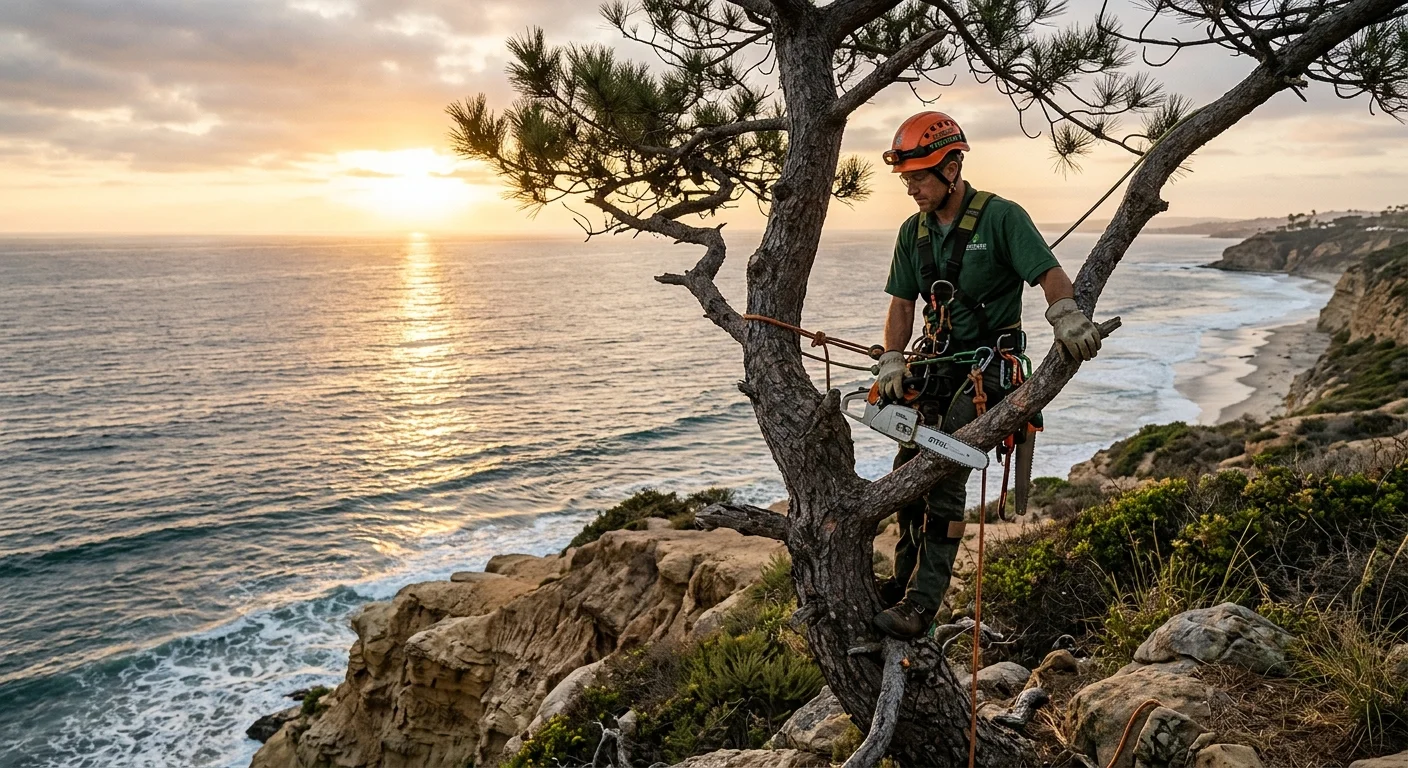
The Torrey pine (Pinus torreyana) isn’t just another tree; it’s the rarest pine species in North America, naturally growing in only two locations on Earth: the coastal cliffs and canyons around San Diego, and Santa Rosa Island. This unique status means that caring for Torrey pines in San Diego isn’t just about landscaping; it’s about active preservation. The trees have adapted to our dry, coastal Mediterranean climate, developing deep root systems and distinctive five-needle fascicles to conserve water.
You’ll find the largest, most spectacular native stands protected within the Torrey Pines State Natural Reserve in La Jolla and Del Mar. These trees are an integral part of San Diego’s identity, symbolizing resilience and natural beauty. For homeowners with a Torrey pine on their property, recognizing its protected status is the first step in proper care. Any significant work on these trees, including removal or extensive pruning, often requires permits from the City of San Diego or county authorities, underscoring their importance. Protecting these magnificent “sentinels of the coast” ensures they continue to thrive in their native habitat.
Common issues: pests, drought stress, and bark beetles
Despite their rugged appearance and adaptation to our local environment, Torrey pines face several threats, particularly from pests and environmental stressors. Drought stress is a primary concern for Torrey pine care in San Diego. Prolonged dry periods weaken trees, making them more susceptible to disease and insect infestations. Even established native trees need supplemental water during extended droughts, especially younger specimens.
Bark beetles are one of the most significant threats to Torrey pines. These small insects bore into the bark, laying eggs and disrupting the tree’s vascular system, which ultimately starves the tree. Signs of a bark beetle infestation include pitch tubes (small globs of resin) on the trunk, boring dust, and needle discoloration or dieback, often starting from the top of the tree. Other potential issues include various fungal infections, though these are typically secondary to drought stress or physical damage. Keeping your Torrey pine healthy with proper watering and avoiding injury to the trunk helps it naturally resist these pests and mitigate the risk of severe Torrey pine disease. Vigilance is key to early detection and effective management of these threats.
Proper watering for coastal and inland Torrey pines
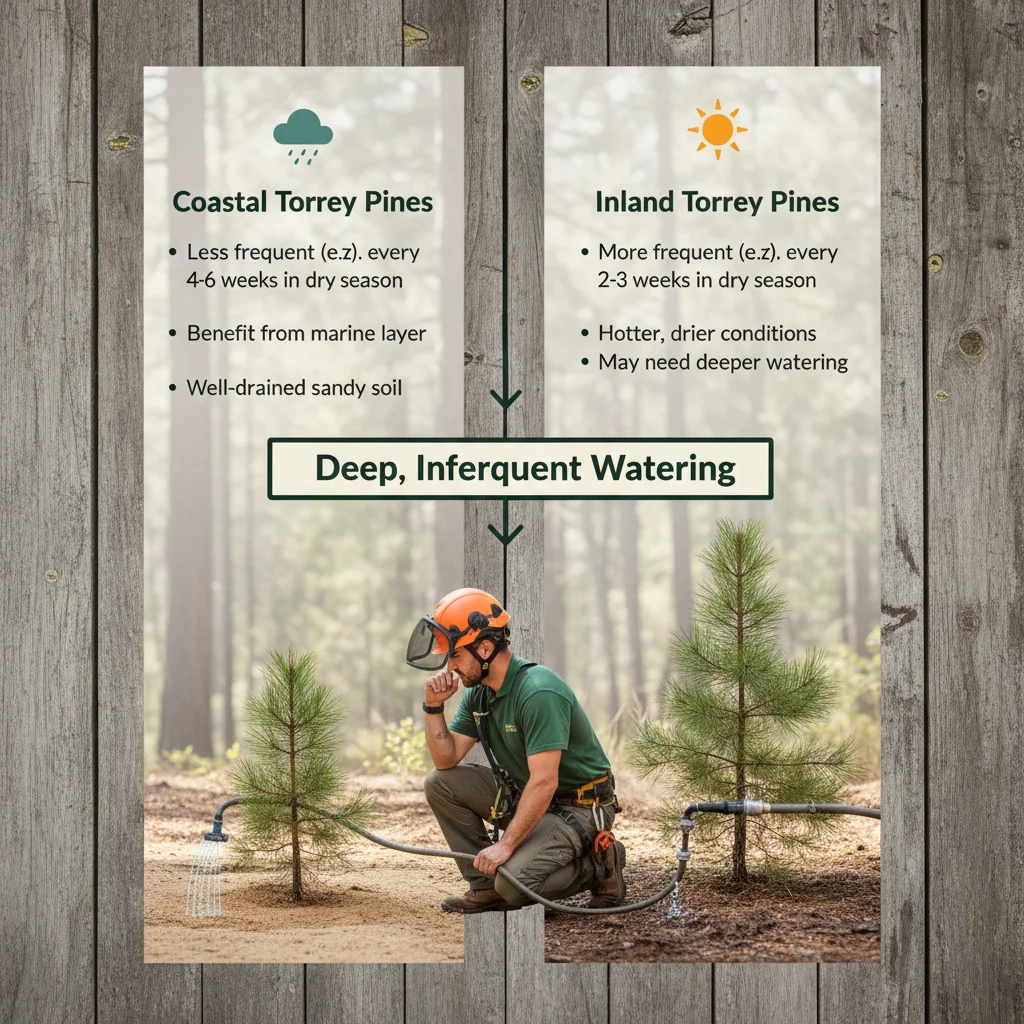
Effective watering is crucial for Torrey pine health, but what’s “proper” varies significantly depending on your tree’s location within San Diego County. Coastal Torrey pines, like those near the Torrey Pines State Natural Reserve or in Del Mar, benefit from the marine layer and generally require less frequent watering. Their deep root systems are adept at finding water. For these trees, deep watering once every 4-6 weeks during dry spells is often sufficient. The goal is to encourage deep root growth, not shallow surface roots.
Inland Torrey pines, which don’t receive the consistent marine fog, need more regular attention, especially during our hot, dry summers and Santa Ana wind events. They might need deep watering every 2-3 weeks, depending on soil type and heat. For all Torrey pines, the key is deep, infrequent watering. Aim to moisten the soil to a depth of at least 18-24 inches each time, allowing the soil to dry out between waterings. Using drip irrigation or a soaker hose helps deliver water slowly and efficiently, minimizing runoff. The San Diego County Water Authority provides excellent resources on efficient landscape watering practices for our climate, helping homeowners conserve water while still supporting their trees.
Pruning guidelines: when to prune and what to avoid
Pruning a Torrey pine requires a delicate touch and a clear understanding of its growth habits. Unlike many ornamental trees, Torrey pines generally need minimal pruning. The primary goals for pruning Torrey pine trees are to remove dead, diseased, or damaged branches, improve air circulation, and maintain structural integrity. You should always aim to retain the tree’s natural form, which is often irregular and picturesque.
The best time for pruning is typically during the dormant season, late fall to early winter, when sap flow is reduced and pest activity is lower. However, light deadwood removal can occur any time of year. What you must avoid is “topping” the tree, which involves cutting off the main leader or upper branches to reduce height. Topping severely stresses the tree, creates weak new growth, and leaves it vulnerable to pests and disease, undermining your efforts for optimal Torrey pine care. If you need to clear branches for structures or power lines, always use proper structural pruning techniques that respect the tree’s natural architecture. Always make clean cuts just outside the branch collar to promote proper healing. For significant pruning, it’s wise to consult a certified arborist who understands the specific needs of this protected species.
Signs your Torrey pine is in trouble and needs an arborist
Even with the best intentions, a Torrey pine can show signs of distress. Recognizing these indicators early allows for timely intervention, potentially saving your iconic tree. Look for changes in needle color, such as widespread yellowing or browning, especially if it’s not typical seasonal needle drop. Excessive needle shedding, particularly from the interior of the canopy, can also signal trouble. A sparse or thinning canopy is another red flag.
Inspect the trunk and branches for unusual pitch flow, which can indicate bark beetle activity, or for cankers and lesions that might point to a fungal infection or Torrey pine disease. If you notice branches dying back, particularly at the top of the tree, or a sudden general decline in vigor, it’s time to call in the experts. A certified arborist can perform a thorough tree health diagnosis to identify the exact cause of distress. Don’t wait until the problem is advanced; early diagnosis and treatment can make all the difference. Sometimes, a professional arborist consultation is the most proactive step you can take for your tree’s long-term health.
Local regulations on removing or pruning a Torrey pine
Due to their protected and endangered status, the removal or significant pruning of Torrey pines in San Diego County is subject to strict regulations. The City of San Diego, along with other local municipalities, often requires permits for any substantial work on these trees, even if they are on private property. This isn’t just a recommendation; it’s a legal requirement designed to protect this incredibly rare species. Before you plan any major tree work, it’s crucial to check with your local planning department for specific ordinances and permit requirements. Ignoring these regulations can lead to substantial fines and penalties.
The permitting process typically involves an inspection by a city arborist or urban forester, who will assess the tree’s health and the necessity of the proposed work. They’ll ensure that any pruning aligns with best practices for tree health and that removal is a last resort, usually only approved for dead, dying, or hazardous trees. Always hire a licensed and insured tree service with experience navigating these local regulations. An experienced arborist can help you understand the specific requirements for your property and ensure all work is compliant, safeguarding both your tree and your compliance with local law. You can check the license status of any contractor through the CSLB website.
When to call us
When your Torrey pine shows signs of distress, or you’re planning any significant pruning or removal, professional help is essential. Our certified arborists understand the unique needs and protected status of these iconic San Diego trees. Call us at (858) 925-5546 for a same-day estimate.